Stylish Garage Door Accessories for a Better Exterior
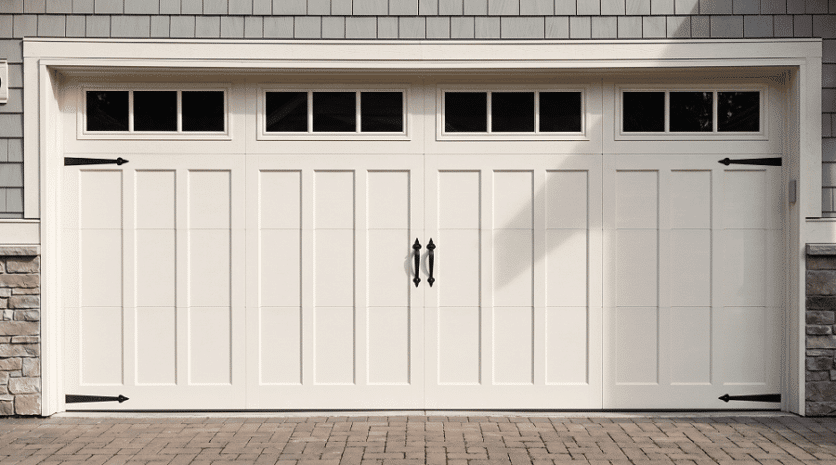


A garage door takes up a surprising amount of visual real estate. On many homes, it is the largest single feature facing the street, yet it is often treated like a blank utility surface. Fresh paint helps, and replacing an aging door can transform curb appeal, but the smallest details often carry the most character. Well-chosen Garage Door Accessories can make a standard door look custom, tie the facade together, and give the whole exterior a more intentional feel.
That said, accessories are not just decoration. They sit at the intersection of style, proportion, weather exposure, and day-to-day use. I have seen beautiful carriage-style hardware installed on a flimsy builder-grade door that looked convincing from fifteen feet away, then rattled loose after one windy season. I have also seen modest magnetic handles, selected with restraint and placed correctly, give a plain steel panel enough visual weight to lift the appearance of the entire front elevation. The difference usually comes down to judgment, not budget.
The best exterior updates work because they respect the architecture already in place. A garage door on a farmhouse, a mid-century ranch, and a brick colonial should not wear the same accessories in the same way. There is no universal package that suits every home. There are, however, principles that consistently lead to a better result.
Why garage door details matter more than people expect
Most people notice a front entry door first, then the garage door immediately after. If the garage projects toward the street, the order often flips. This matters because the eye is quick to register visual imbalance. An oversized garage door with no detailing can flatten the facade and make the front of the house feel builder-basic, even when the landscaping and siding are strong. Accessories break up that scale. They add rhythm, contrast, and a sense of craftsmanship.
They also influence how expensive a home feels from the curb. This is not always about true cost. Decorative hinge straps, clavos, corner brackets, and faux handles can suggest custom millwork without the expense of a full custom wood door. Exterior lighting around the garage can reinforce that effect at night, when shadows and warm illumination do as much design work as materials.
There is also a practical angle. Some accessories improve visibility, some help with organization around the opening, and some protect surfaces from wear. Even something as simple as fresh perimeter weather sealing, chosen in the right color and profile, can sharpen the outline of the door and make it look newer.
Start with the house, not the accessory catalog
A common mistake is choosing hardware because it looks attractive in isolation. A matte black handle set might photograph beautifully online, but if the house has polished brass entry hardware, warm stone, and traditional lanterns in an aged bronze finish, that deep black can read harsh rather than sophisticated. Exterior design works best when materials speak to each other.
When I evaluate a garage door for styling, I look at four things first: the roof pitch, the trim profile, the front door, and the lighting. These usually tell me whether the garage should lean formal, rustic, transitional, or modern. A house with wide trim boards, divided-light windows, and a painted brick exterior can usually support decorative straps and larger pulls. A sleek contemporary home with flush siding and minimalist sconces often looks better with almost no ornament at all, perhaps just understated house numbers, clean lighting, and a precise color palette.
Scale matters just as much as style. Oversized hinge straps can dwarf a single-car door and make it look costume-like. Tiny magnetic handles on a broad double door can disappear completely. The door panel pattern should guide placement and size. Raised panels Garage Door Accessories offer obvious visual anchor points. Flush doors require a more disciplined hand because there are fewer lines to hide bad placement.
Decorative hardware that actually improves the look
Handles and hinge straps are the first accessories most homeowners consider, and for good reason. They can mimic the appearance of carriage doors and add depth to a flat surface. The trick is to choose hardware that matches the personality of the door rather than fighting it.
On stamped steel carriage-style doors, decorative hardware can complete the illusion. On plain long-panel doors, it can add interest, but only if the proportions are right. I usually prefer simpler handle shapes on standard suburban doors, especially when the rest of the home is not overtly rustic. Overly ornate scrollwork can feel disconnected from newer siding, simple windows, and streamlined trim.
Material choice affects how convincing the hardware looks. Real metal has heft and often weathers more gracefully, but many quality composite or magnetic options hold up well and avoid drilling into the door skin. That can be a major advantage for newer insulated steel doors where homeowners want the look of hardware without compromising the finish or warranty. In coastal areas, corrosion resistance becomes less of a luxury and more of a requirement. Salt air is unforgiving. Hardware that looks excellent in a dry inland suburb can pit, streak, or fade quickly near the water.
Finish selection is where many exterior upgrades either become cohesive or fall apart. Matte black remains popular because it creates definition from the street and pairs well with white trim, natural wood tones, and neutral siding. Oil-rubbed bronze can be handsome on warmer exteriors, though it can turn muddy if the house already has too many dark competing elements. Brushed nickel is usually less effective outdoors on garage doors because it lacks visual contrast at a distance, unless the home is very modern and intentionally cool-toned.
Windows are an accessory too, and they change everything
If the garage door has window inserts, they deserve the same design attention as hardware. They are often the detail that determines whether a door looks generic or well considered. Window shape should echo the rest of the house. Arched inserts can support traditional architecture but look out of place on a square-edged contemporary facade. Simple rectangular lites fit a broad range of styles and rarely age poorly.
Glass type matters for both privacy and appearance. Clear glass gives a clean, classic look, but it exposes clutter if the garage interior is visible. Frosted or seeded glass softens that issue and can feel more upscale. Tinted glass can look sharp on modern homes, though it may create too much contrast on softer traditional exteriors.
The placement of windows also changes the visual balance of the door. A top row is the safest and most common choice. Asymmetrical vertical windows can look striking on a contemporary design, but they require the architecture to support that move. Otherwise, they can feel trendy rather than timeless.
I have seen homeowners spend thousands replacing landscaping, painting shutters, and changing light fixtures while leaving a mismatched garage door window pattern untouched. The result still feels unresolved. If you want one of the strongest visual upgrades possible without replacing the entire door, rethink the glazing pattern.
The role of lighting around the garage
Garage-adjacent lighting is often treated as a security necessity, which it is, but it is also one of the most powerful style tools on the exterior. The fixture scale, mounting height, finish, and light temperature all influence how polished the garage area feels after dark.
Too-small sconces are extremely common. They look timid against a double-width garage wall and fail to cast useful light. On the other hand, oversized lanterns with elaborate scroll arms can overwhelm a simple elevation. The fixture should feel proportional to the wall and consistent with the front entry. If your front porch uses clean-lined metal sconces, the garage should not suddenly switch to faux-colonial coach lights.
Warm light usually flatters exterior materials better than stark blue-white bulbs. In practical terms, bulbs in the roughly 2700K to 3000K range tend to feel welcoming while still being bright enough for function. Brighter is not always better. Harsh light can flatten texture and make a tasteful exterior look commercial.
Motion sensors are useful, but visibility of the sensor itself matters. Cheap add-on sensor heads can detract from a carefully composed facade. Integrated fixtures, or discreetly placed separate motion units, usually produce a better result.
House numbers, plaques, and trim accents
Not every stylish upgrade belongs directly on the door. The surrounding wall and trim can support the composition. House numbers placed near the garage can help balance a wide facade, especially when the front door is set back or visually secondary. The font, finish, and size should match the broader design language. Thin modern numerals on a traditional clapboard home tend to look borrowed from another project. Chunky serif numbers can look equally awkward on a minimalist facade.
Address plaques can work on larger homes, though they need restraint. If the garage already has decorative hardware, coach lights, stone veneer, and shutters nearby, adding a busy plaque may tip the balance from layered to cluttered. This is one of the recurring truths in exterior design: every good accessory increases the need for discipline elsewhere.
Trim accents around the door opening can also function like accessories. Wider casing, crossheads, corbels, or a contrasting trim color can frame the garage more elegantly than hardware alone. These upgrades usually cost more than magnetic handles, but they often deliver a more integrated architectural result because they belong to the structure rather than merely sitting on its surface.
When decorative pieces start to hurt the exterior
A garage door can absolutely be over-accessorized. This happens most often when homeowners try to stack trends. Black hinges, oversized pulls, faux speakeasy clavos, strap brackets, dramatic sconces, wood-look stain, and frosted windows might each seem appealing on their own. Together, they can turn the door into the loudest element on the property.
The cleaner approach is usually better. If the door has strong panel detailing and a handsome color, it may only need subtle hardware. If the architecture is already rich with brick texture, gables, shutters, and trim, the garage should support that composition rather than compete with it.
One useful test is to stand across the street and squint slightly. If the garage reads as one coherent feature, you are close. If your eye jumps from one decorative element to another without settling, there is probably too much going on. Good exterior design should feel composed before it feels clever.
Color and finish pairing that makes accessories look intentional
Color is often overlooked when selecting Garage Door Accessories, yet it is one of the biggest factors in whether the result feels premium. Accessories should either contrast with purpose or blend with confidence. Halfway choices usually look indecisive.
Black accessories on a white, cream, taupe, or natural wood-look door create crisp definition and are difficult to get wrong. Dark bronze hardware can look rich against warm beige, greige, and brown palettes. On very dark doors, hardware needs enough sheen or dimensional profile to remain visible from the street. Flat black on charcoal can disappear entirely, which may be fine on a minimalist home but disappointing on a traditional one that depends on visible detail.
If the home has mixed metals, the garage is not the place to introduce a third or fourth finish. Choose the dominant exterior metal and stay with it. The eye appreciates consistency, especially on large surfaces.
Paint sheen matters too. A satin or low-luster finish on the garage door usually pairs best with decorative hardware because it reflects enough light to show depth without looking plasticky. Ultra-gloss finishes tend to emphasize every ripple and imperfection in steel doors, particularly in strong afternoon sun.
Smart upgrades that keep style from becoming maintenance
There is always a temptation to focus only on appearance, but exterior accessories live outside in sun, rain, dust, and temperature swings. Stylish choices that fail after one season stop feeling stylish very quickly.
If you are adding hardware to a steel door, think carefully before drilling. Penetrations can invite rust if edges are not sealed properly, and poorly aligned holes are hard to forgive. High-quality magnetic systems have improved a lot over the years. On many doors, they are the practical sweet spot because they offer the carriage-house look with far less risk.
Adhesive-backed accessories can work, but surface prep matters. A door that looks clean can still have enough oxidation, wax, or residue to weaken adhesion. I have seen decorative pieces start to creep downward in hot weather simply because the panel was wiped, not degreased.
For lighting, buy fixtures rated for wet locations, not just damp ones, if they are Garage Door Accessories fully exposed. It is a small specification that saves a lot of frustration. For trim accents, choose materials that match your climate and maintenance appetite. Cellular PVC and composite products often outperform wood in areas with repeated moisture exposure, especially around garage openings where splashback and runoff are common.
A few combinations that reliably work
Some exterior pairings succeed so consistently that they are worth remembering, especially if you are trying to improve curb appeal without redesigning the whole front of the house.
Traditional brick homes tend to respond well to understated black or bronze handles, symmetrical lanterns, and clear or lightly seeded top-row windows. White farmhouse exteriors usually look sharp with matte black accessories, warm wood-toned front doors, and simple sconces that feel utilitarian rather than ornate. Transitional suburban homes often benefit from the lightest touch of all, clean hardware, updated lighting, and a door color that connects the garage to the trim rather than making it stand out as a separate block.
Modern homes are the hardest to accessorize because restraint matters so much. In those cases, the best accessories may be nearly invisible: flush house numbers, architectural lighting, and precise shadow lines rather than decorative hinges and pulls.
What is worth spending on, and what is not
Not every upgrade deserves the same budget. If the existing garage door is warped, noisy, dented, or badly faded, accessories will not rescue it. Put money into the door condition first. A well-maintained basic door usually looks better than a distressed one wearing expensive ornament.
Lighting is often worth spending on because it affects both appearance and function every night. Better fixtures tend to have cleaner lines, thicker materials, and longer-lasting finishes. Hardware is where you can save intelligently, particularly if a premium magnetic set gives you the same visual effect as a drilled metal kit at a fraction of the labor and risk.
Custom trim can be an excellent investment when the garage dominates the facade and the architecture feels underdeveloped. It is not as instantly noticeable as a black handle set, but it often contributes more to the overall impression of quality. Window inserts fall somewhere in the middle. They can offer a strong visual return, especially when the existing pattern is mismatched or dated.
The small details that separate polished from almost-there
Placement is one of those details that most people do not consciously notice, but everyone feels. Decorative handles should align consistently from panel to panel. Faux hinge straps should sit where they make visual sense with the panel layout. Lighting should mount at a height that relates to the door scale, not simply wherever the old junction box happened to be.
Spacing around the opening matters too. Fresh caulk lines, clean trim corners, and intact weatherstripping frame the accessories and make them look intentional. A beautiful sconce next to cracked sealant and peeling jamb paint is like wearing polished shoes with a frayed collar.
Even the driveway approach affects perception. If the garage door has been updated with handsome accessories but the apron is stained and the edge planting is overgrown, the whole composition loses force. Exterior design is cumulative. Every surrounding element either supports the message or weakens it.
Choosing accessories with a longer shelf life
Trends move quickly, and garage doors are expensive to change. That is why I usually advise clients and homeowners to aim for accessories that feel settled rather than novel. A simple black handle set has lasted longer than many expected because it functions almost like punctuation. It adds contrast and shape without relying on a gimmick. Highly stylized motifs, unusual faux-rust finishes, or exaggerated rustic detailing can age much faster.
The same goes for lighting. A clean lantern or pared-back industrial sconce often survives changing tastes better than something aggressively decorative. If you want personality, get it from one or two deliberate choices, not ten.
The safest question to ask is not, “Does this stand out?” It is, “Will this still make sense on this house in five years?” Exterior upgrades should feel like they belong to the home, not like they were imported from a short-lived catalog trend.
A better exterior often comes down to restraint
The most successful garage door upgrades rarely announce themselves as accessories first. They simply make the house look better. The hardware feels appropriately scaled. The lights relate to the entry. The windows match the architecture. The colors connect across the facade. Nothing strains for attention, yet the whole front elevation feels more finished.
That is the real value of stylish Garage Door Accessories. They do not need to be dramatic to be effective. They need to be chosen with context, installed with care, and edited with discipline. When that happens, a garage door stops being a large blank necessity and starts contributing to the character of the home.
Select Garage Doors
11479 Pine Dr, Parker, CO 80134, United States
+1 303-228-0018
FAQ About Garage Door Accessories
What are garage door parts called?
Common door components include panels, hinges, rollers, tracks, springs, cables, and weather seals. The opener is a separate operating system, with accessories such as remotes, keypads, and compatible smart controls. Identify the door and opener model before choosing a part; springs, cables, and other loaded components should be assessed and serviced by a trained garage door technician.
What garage door supplies do I need?
The right supplies depend on the problem or upgrade you want to address. Common accessories include replacement remotes, wireless keypads, weather seals, decorative handles and hinges, and compatible smart controls. Check model compatibility and the manufacturer's instructions before buying. A technician can inspect the system and recommend suitable accessories without replacing otherwise serviceable equipment.
Where can I find garage door accessories in Parker?
Select Garage Doors supplies and installs garage door accessories for Parker homeowners. Contact the company with your opener brand and model, door details, and the upgrade you want so it can confirm compatibility, availability, pricing, and installation requirements. Confirm collection or appointment arrangements before visiting.